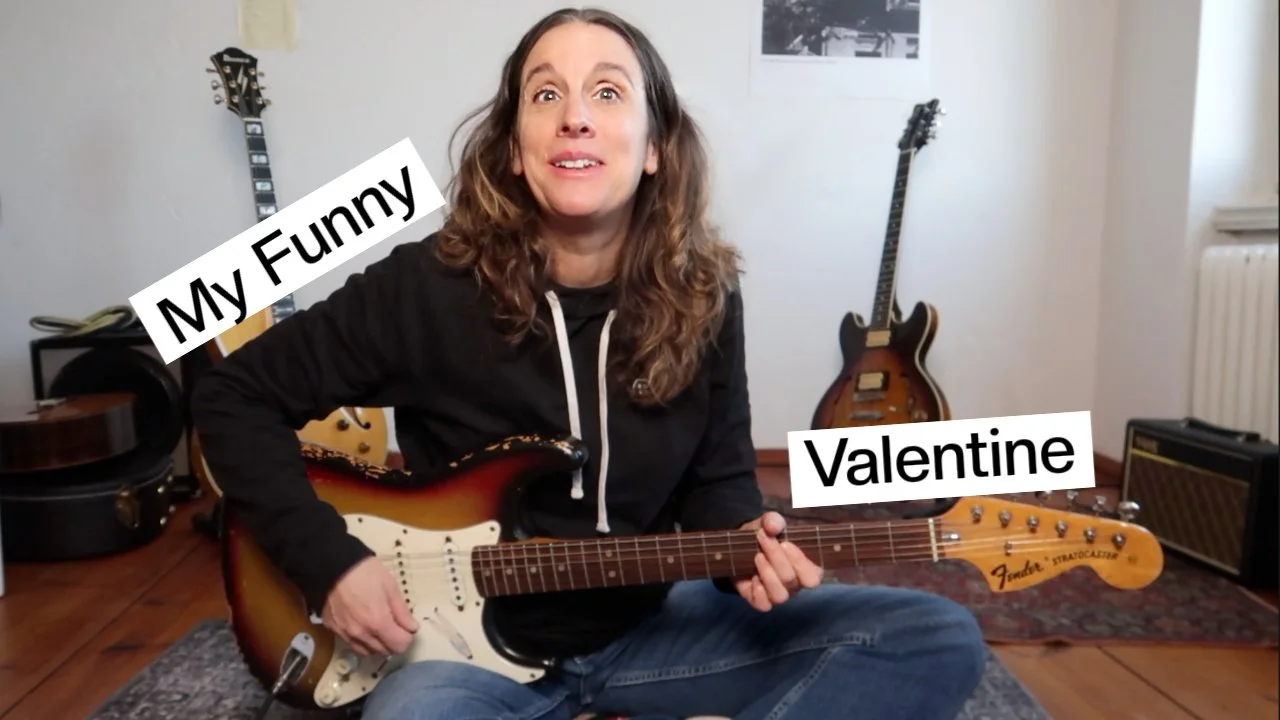
Hi dear people!
I'm running my chord melody workshop again and I'd love for you to join.
Here's what we're doing: three live Tuesday evenings together, small group of just 4 people, and we work through a full chord melody arrangement of My Funny Valentine — live, together, in real time.
No tab-following, no copying. We dig into the harmony together, try out voicings, talk about what works and why. It's a real conversation about music — just a small group of people who geek out about this stuff.
Session 1 — Tuesday, June 16 · 7:00 PM CEST - 08:00 PM CEST
Session 2 — Tuesday, June 23 · 7:00 PM CEST - 08:00 PM CEST
Session 3 — Tuesday, June 30 · 7:00 PM CEST- 08:00 PM CEST
Every session is recorded so you can rewatch the lesson afterwards and go over everything at your own pace.
Early bird price: €97 — only until Tuesday, June 2nd After that: €127
Hope to see you there 🎶
Tina
SOLD OUT
Create your own chord melody arrangement in 3 weeks
What is a chord melody arrangement? And what can you use it for?
A chord melody arrangement is essentially nothing more than a melody harmonized with chords. The highest note of each chord serves as the melody note. Try playing one of your favorite chords and sing the top note in your voicing—that’s your melody note. However, when we harmonize an existing melody, we usually start with the melody note first and then find a suitable chord to go with it.
A chord melody arrangement gives you the ability to play a piece on your own, without accompaniment or a backing track. There are many different ways to harmonize a melody on the guitar, and when you create your own chord melody arrangement, you can bring in your own ideas. And for the more difficult spots—where no chord seems to fit at first—that’s where I come in! There’s always a solution, and finding it can sometimes feel a bit like solving a crossword puzzle.
For example: “All of Me.”
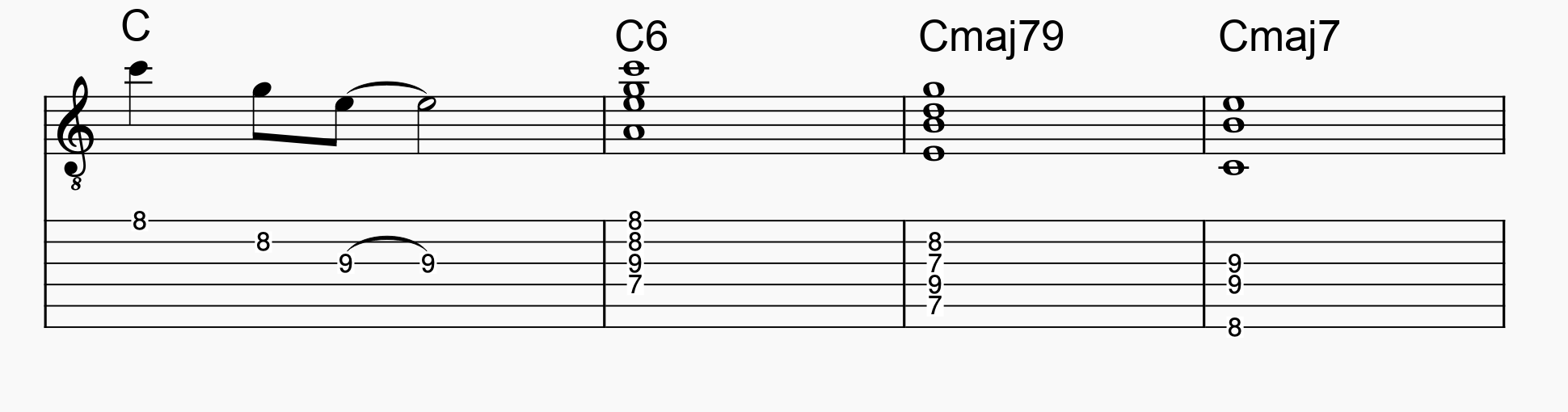
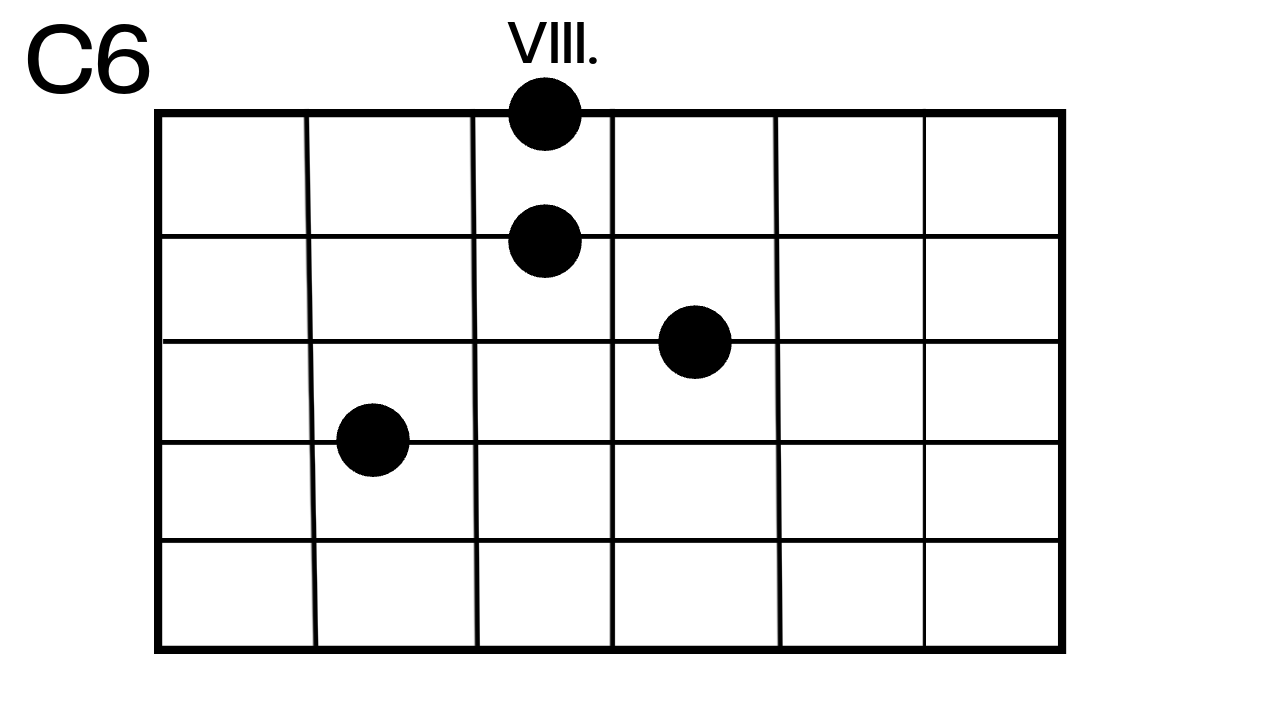
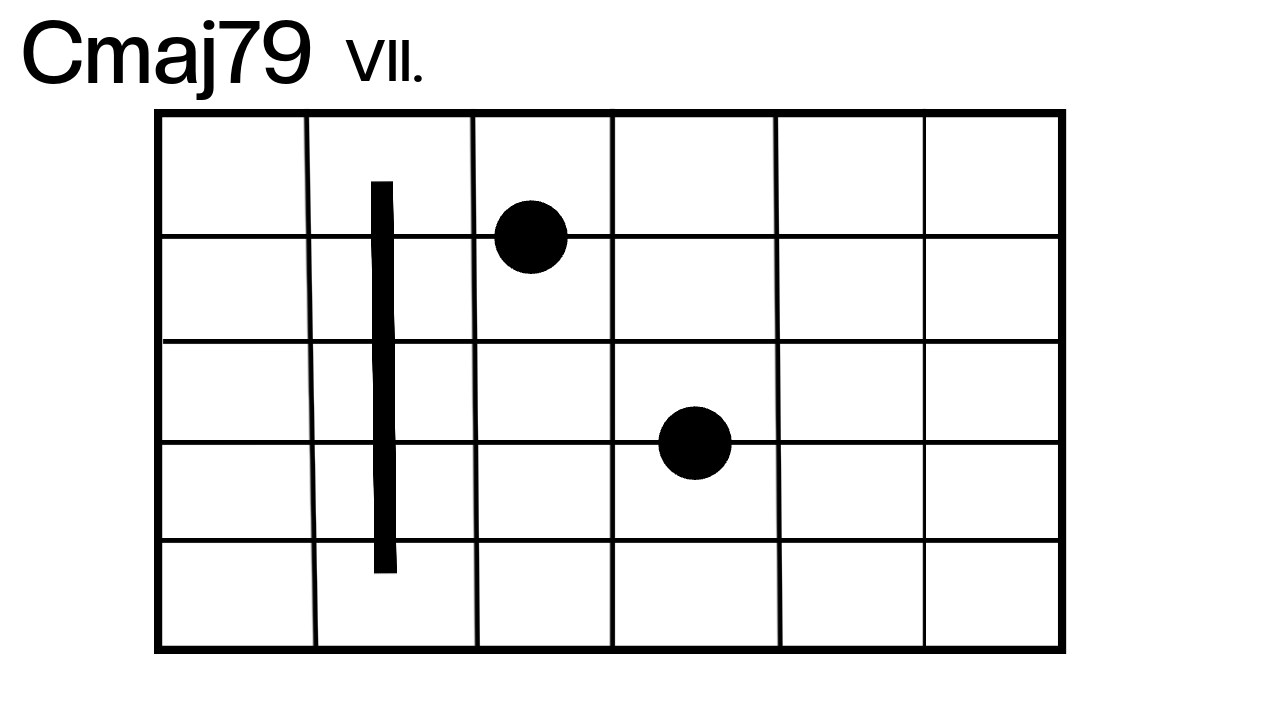
Here are a few chord melody arrangements that I particularly like.
Goal:
Harmonize a jazz standard or a song of your choice
WEEK 1: Play the melody with bass notes
→ Where and how can you play it across the fretboard?
Which range works best? Which key is suitable? (possibly include open strings)
→ Add the bass notes / root notes. You don’t have to play the notes at the same time—offset playing is totally fine :)
→ Decide on a key
WEEK 2: Start with the simple things
→ Where is it easy to harmonize a melody note with a chord?
→ Add chords / include the 3rd and 7th
WEEK 3: Fill in the gaps
→ Now we complete the arrangement
→ I’ll show you techniques like “back cycling” and the “Barry Harris method” to harmonize the remaining melody notes