Learning to improvise is one thing…
but playing a solo that could actually qualify as a “jazz guitar solo” feels like an entirely different horse. 🐴🎸
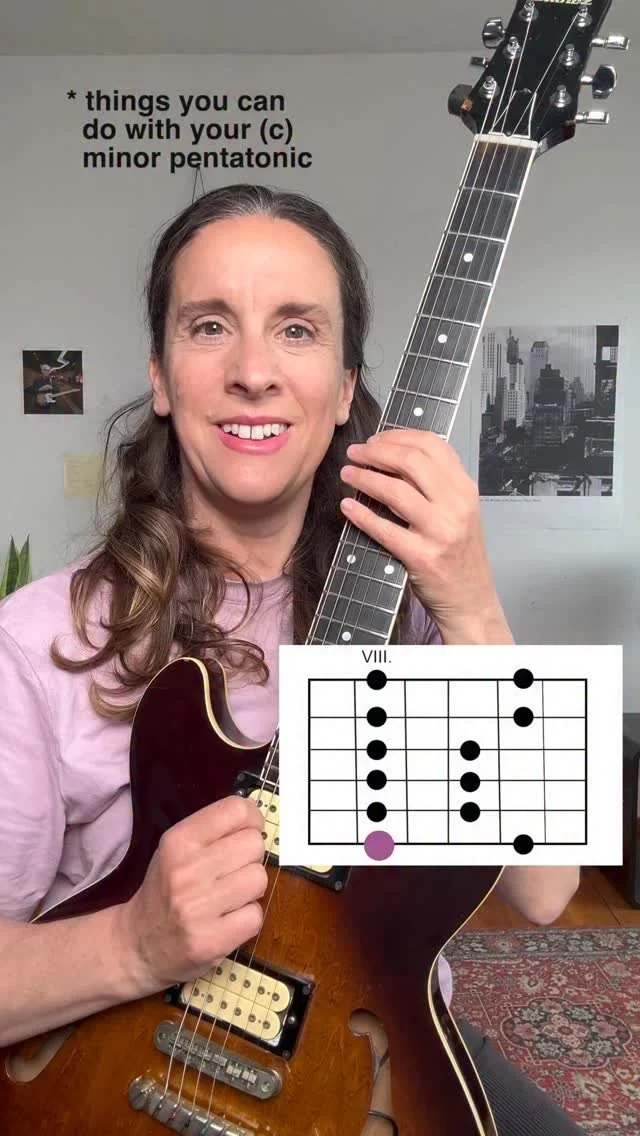
We can play the A minor pentatonic over an Am chord (for example).
Or we can play the A minor pentatonic over a bunch of chords like:
Dm7 – G7 – Cmaj7
(a 2-5-1 in C major)
So now we have:
✅ some material (A minor pentatonic)
✅ a playground (the chords)
And honestly, that’s a GREAT place to start (and also a great place to return to).
Because when we improvise, we experiment.
Sometimes it sounds good, sometimes… not so good
But overall we can hear: “ok… it works.”
BUT then we want MORE!!!
More jazz language.
More jazzy vibes.
More of that cool thing that the other guitar player is doing (and why does it sound so good??)
So maybe we buy a course… or download some licks…
and then we copy & paste those magic notes into our solos.
Possibly without fully knowing what’s going on — but hey:
it sounds more jazzy now (and more impressive!!).
And that’s great.
BUT then we get stuck.
It’s like we’re having a conversation with our neighbour about the weather (that’s the A minor pentatonic)…
and then suddenly we insert a poem from Robert Frost (that’s the bebop phrase).
Ok… weird metaphor.
But honestly: how DOES this work?
Do we have to know everything we’re playing?
Are we supposed to run super fast calculus in our mind while improvising?
(“Ok G7… now I’m playing the b7… oh shoot the chorus ended.”)
If you want to dive deep into this topic —
how to craft beautiful and logical lines that actually sound like jazz —
then come join me next Thursday.
It’s going to be fun. 💛
Dear friends,
today I’m very excited (and honestly a little emotional) to finally share something with you.
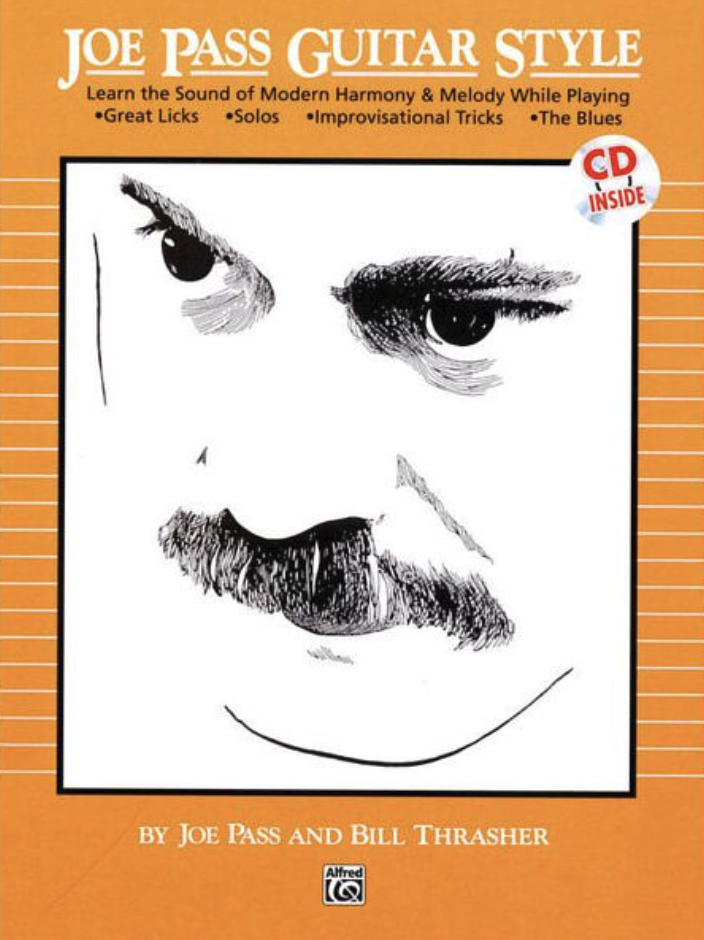
Almost 30 years ago, when I was a young jazz guitarist, I bought a book that completely changed the way I looked at harmony and guitar playing:
“Joe Pass Guitar Style.”
At that time, I understood only parts of it.
But something about this book stayed with me all these years.
And now – after teaching, playing, studying, experimenting, and coming back to these ideas again and again – everything suddenly started to fall into place.
Over the last months I have been working very intensively on a new project:
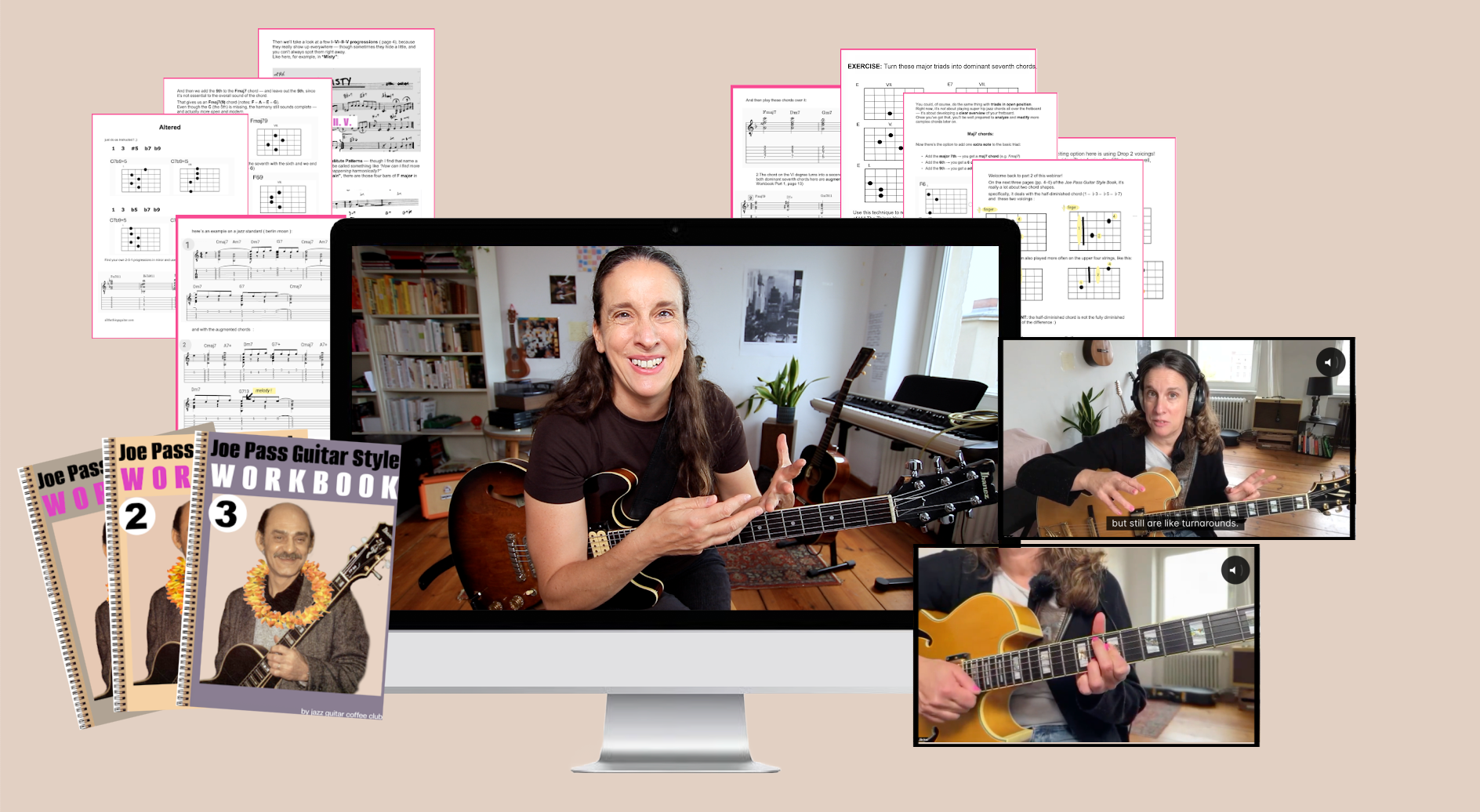
✨ Joe Pass – Guitar Style | Practice Studies (Pages 1–7) ✨
This is not just another worksheet. It is the result of almost 30 years of living with this music.
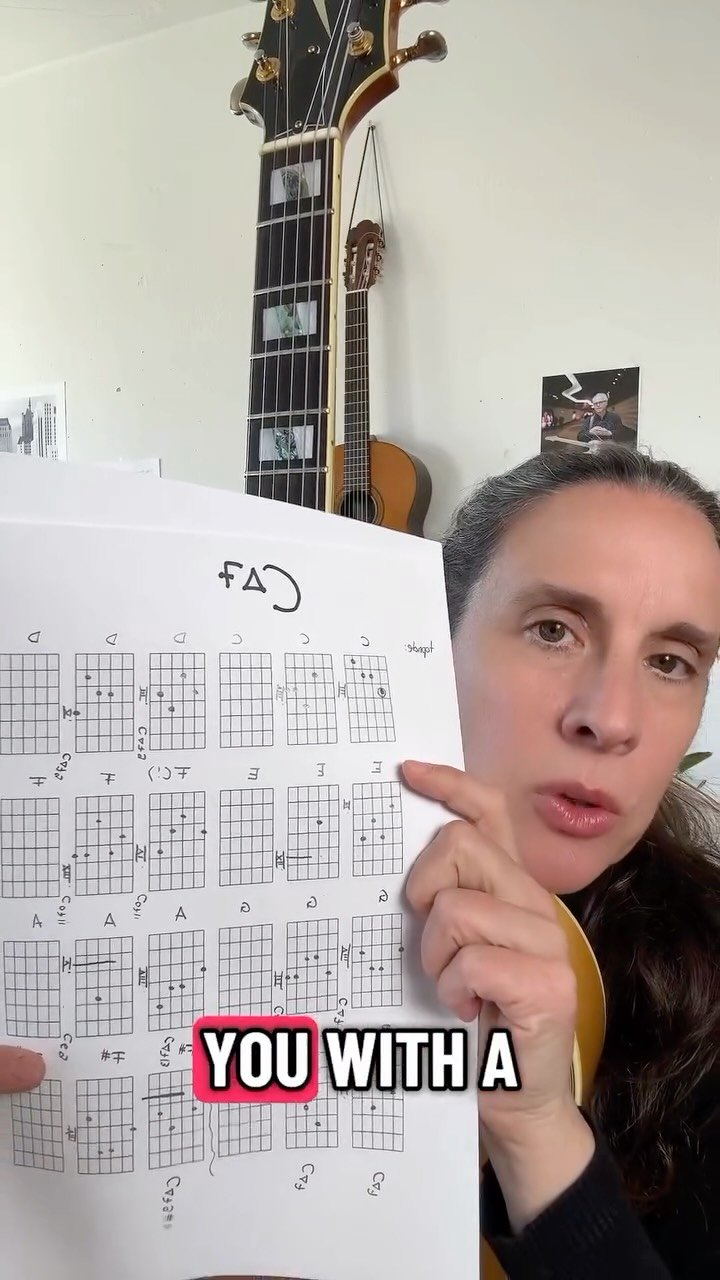
In this workbook (45 pages!) I collected:
-the ideas that helped me really understand Joe Pass’ harmony
-practical reharmonization concepts
-voice leading tricks that suddenly make sense
-and exercises I actually use with my own students
The goal is simple:
👉 to help you make the most out of Joe Pass’ harmonic language
👉 and to really APPLY it on the guitar.
This project means a lot to me.
It grew out of a journey that began 30 years ago with one book and continues to open new perspectives and ideas.
If you love Joe Pass, reharmonization, and deep harmony work, I think you will really enjoy this.
Thank you so much for being part of this journey and for all your support over the years 💛
I truly couldn’t have done this without you.
With love and lots of music,
Tina 🎸
get the Practice Studies here:
https://tinyurl.com/y6c5kbae
P.S. If you have any questions about the material or how to use it in your practice, just write me – I’m very happy to help 😊
P.P.S. this book works without the Joe Pass Guitar Style book too...but i think it´s the most fun to scan the original and work through my practice studies at the same time
Hi, I’m Tina, a jazz guitarist from Berlin.
I’m excited to share my favorite jazz exercises with you and help you grow step by step.
click here and find the online courses, coaching sessions and most importantly the jazz guitar coffee club
find all the my PDF`s and the JOE PASS GUITAR STYLE workbooks
new videos every week on my youtube channel